Bench Tool ID: Bending & Shaping Tools
Bending & Shaping Tools for the Bench Jeweler
Mentor: Nanz Aalund

Round-Nose (aka Needle-Nose) Pliers
The long, pointed jaws are useful for rounding out jump rings, creating coils, and holding tubing.
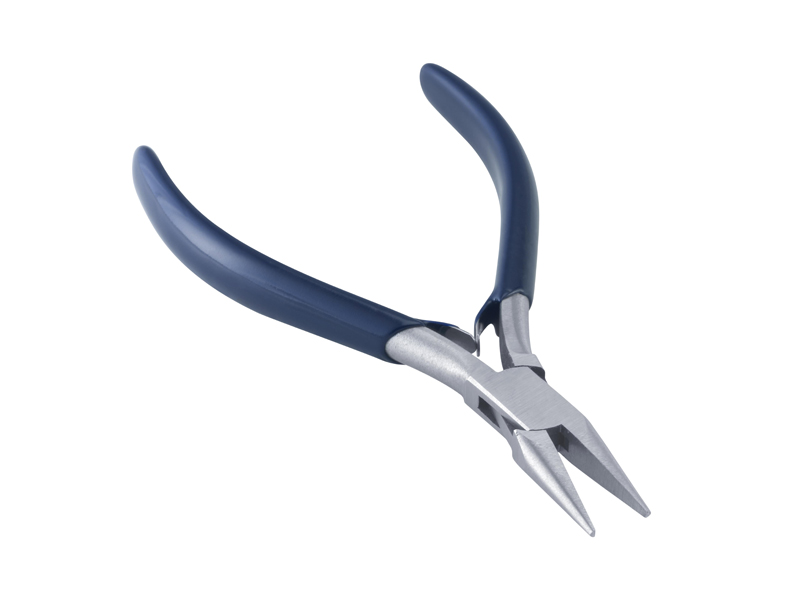
Chain-Nose Pliers
The most versatile pliers on the bench, useful for opening and closing jump rings. Suitable for holding small precision parts securely while they are being worked on. Useful for chain making and repair.
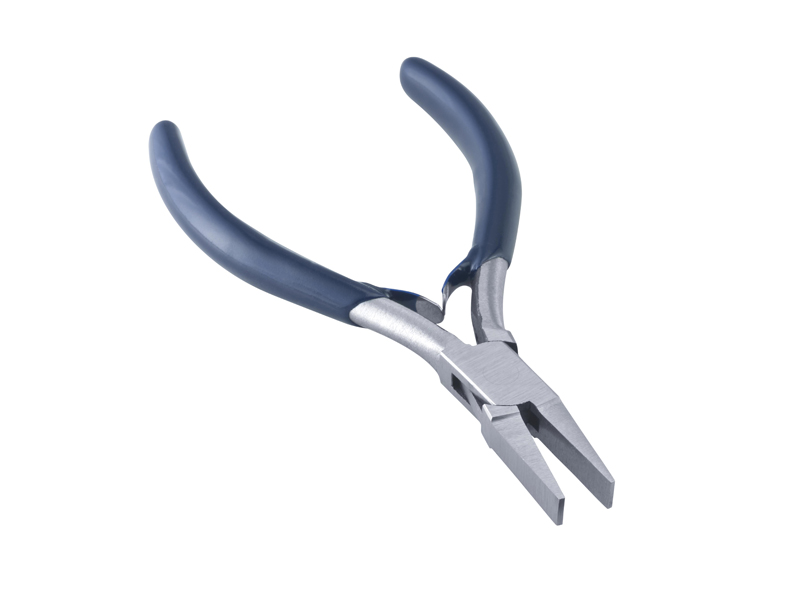
Flat-Note Pliers
Useful for a variety of applications, its squared-off jaws help in making right angle bends in sheet and wire, straightening and flattening metal parts, and for holding small precision parts securely while they are being worked on.

Ring-Bending Pliers
A heavy-gauge tool for bending ring shanks.
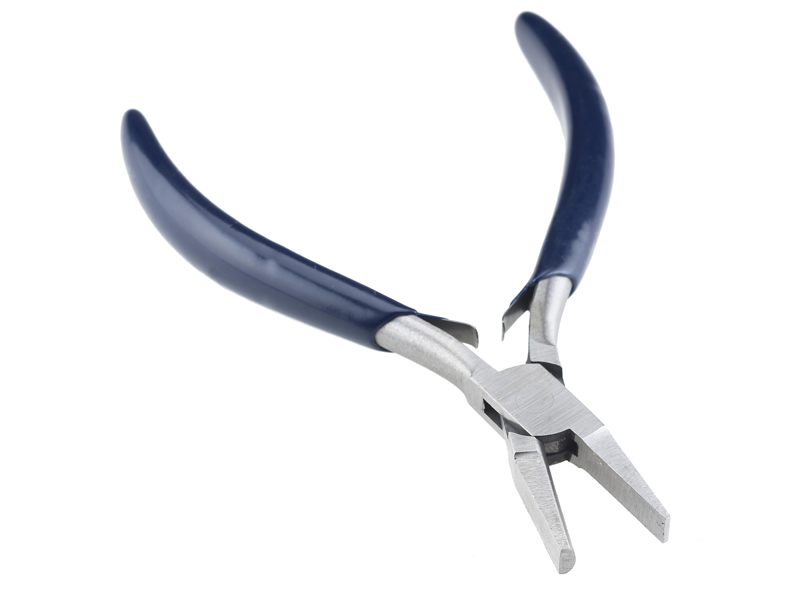
Forming Pliers
The jaws of this tool are half curved and half flat, which is helpful in forming wire parts and bezels. Especially useful when making wide, broad bends in sheet stock or wire.
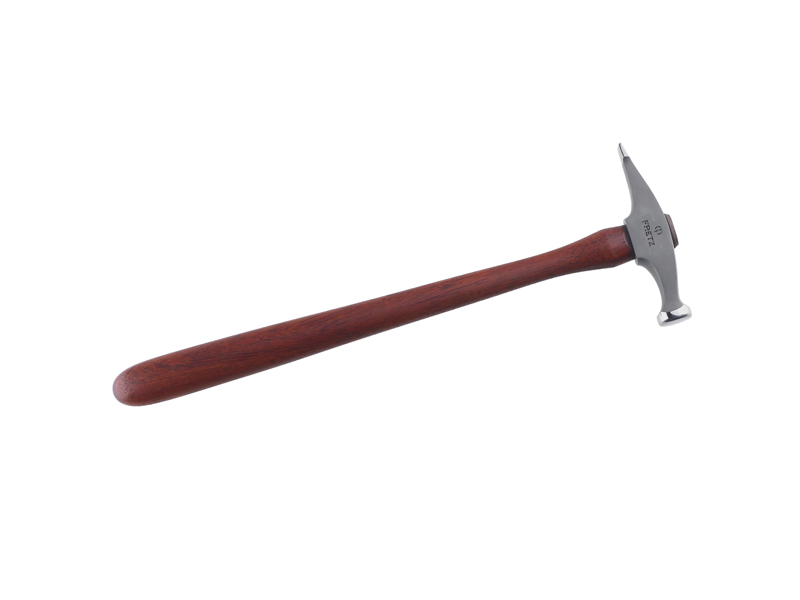
Cross-Peen or Riveting Hammer
The narrow end of this hammer will flare a wire end quickly for riveting. Hammering in an “X” or cross-pattern will create the flare most efficiently.
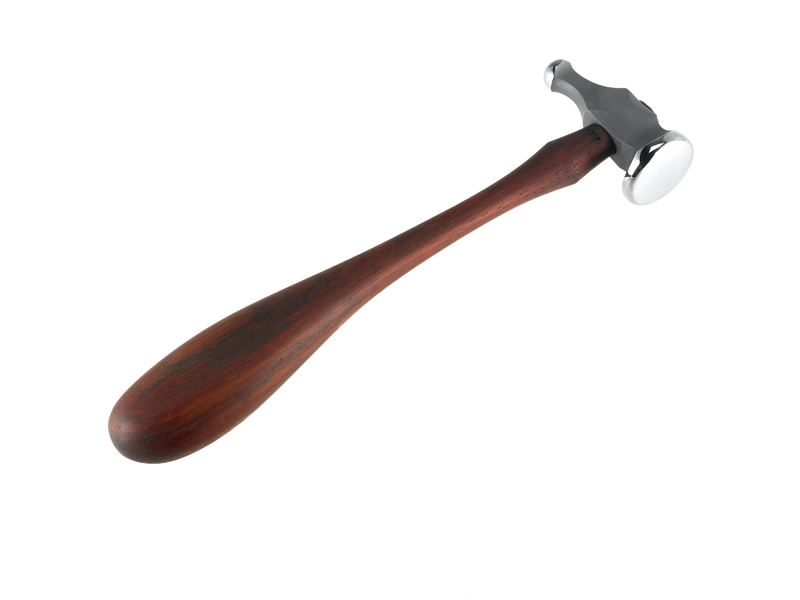
Chasing/Ball-Peen Hammer
This tool’s large, smooth face will, with gentle turning and tapping, flatten kinked wire. The rounded peen side can be used to flare decorative rivets or texture metal.

Rawhide Mallet
Once conditioned, a rawhide mallet can be used with soft metals, such as gold and silver, without marking the surface.
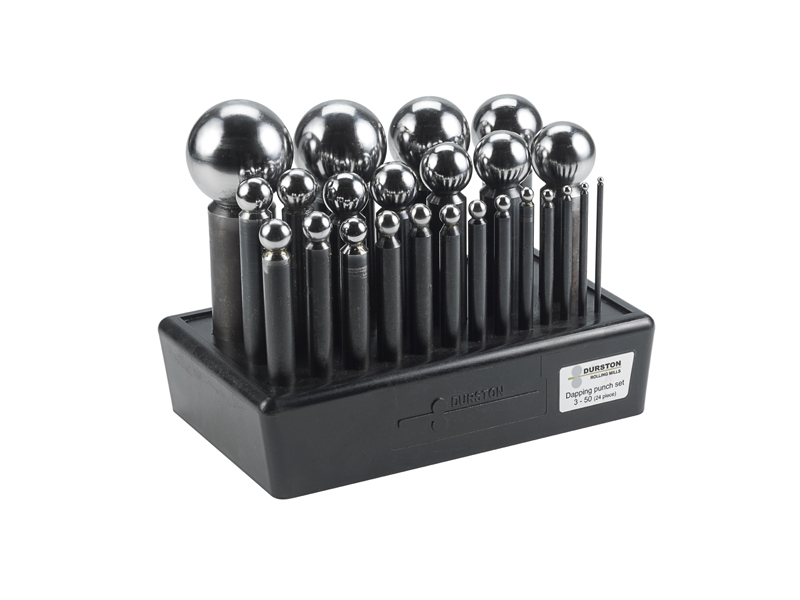
Dapping Punches
Often sold in sets, each punch consists of a metal sphere on a rod, with the spheres graduating in size from a few millimeters to over an inch in diameter. They are used to create textures or with dapping blocks to shape flat sheet.
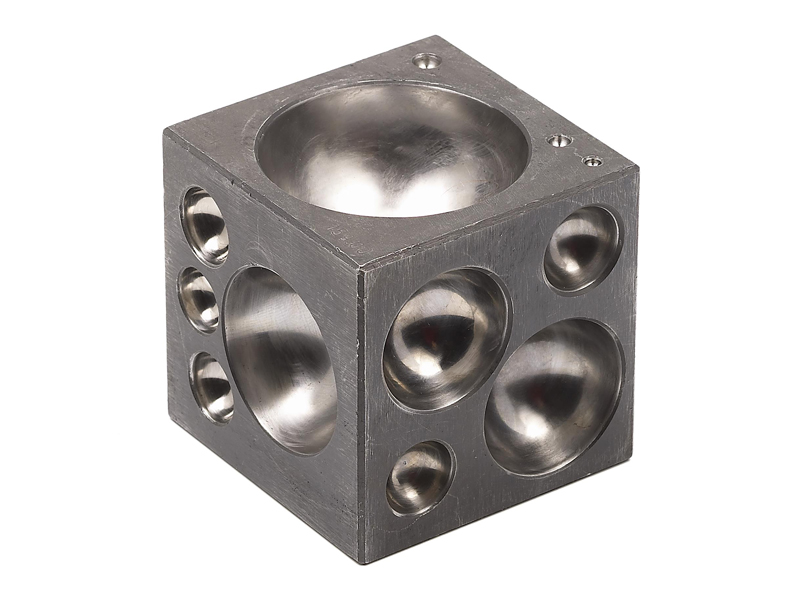
Dapping Block
A steel block with hemisphere openings of various sizes in each side. When using this tool with dapping punches, jewelers can created cupped shapes and spheres.
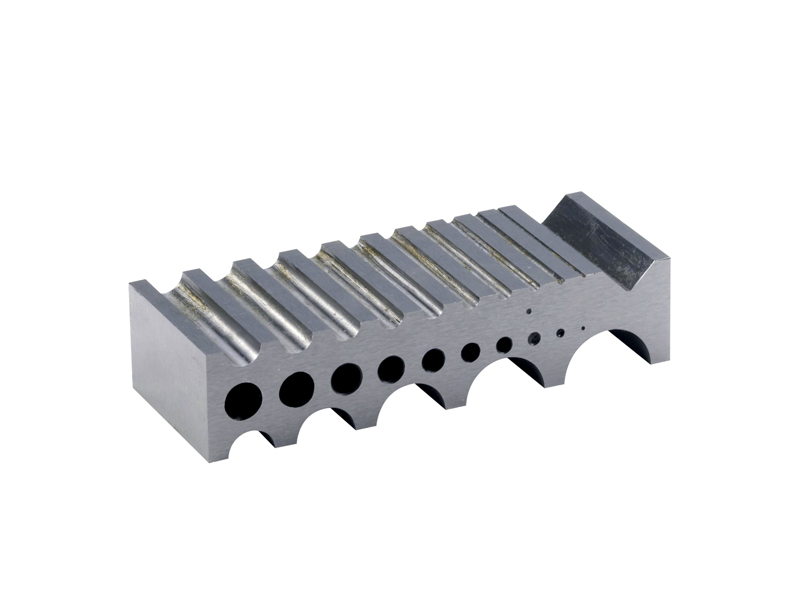
Swaging (aka Bending) Block
This tool is used to bend sheet metal into tubes.
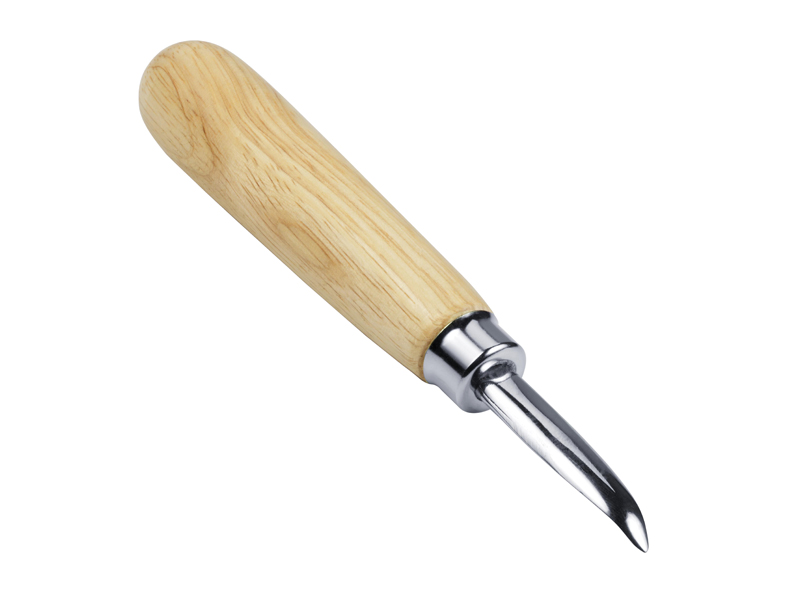
Burnisher
Made of highly polished steel, this tool is used to push against softer metals to smooth them, harden their surfaces, and create a mirror-like finish.
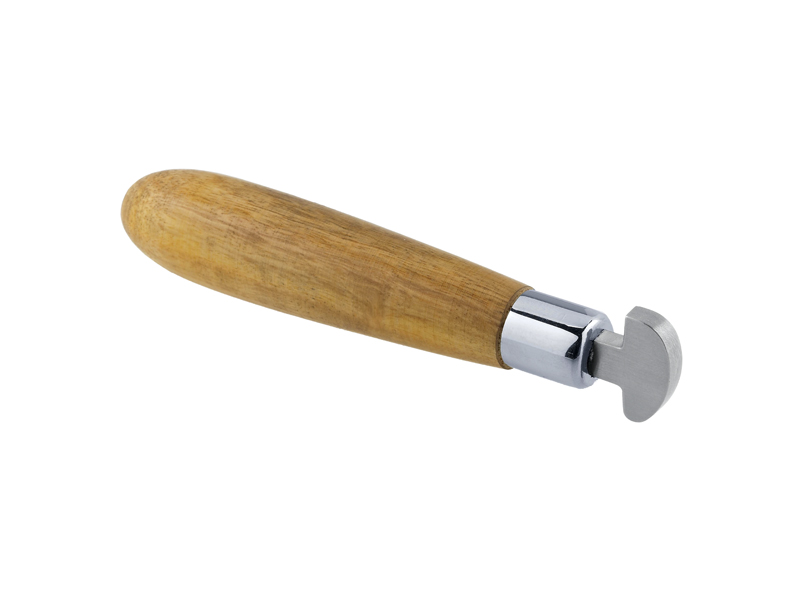
Bezel Rocker
This tool is used to rock back and forth over a bezel and push the rim down onto a cabochon stone.
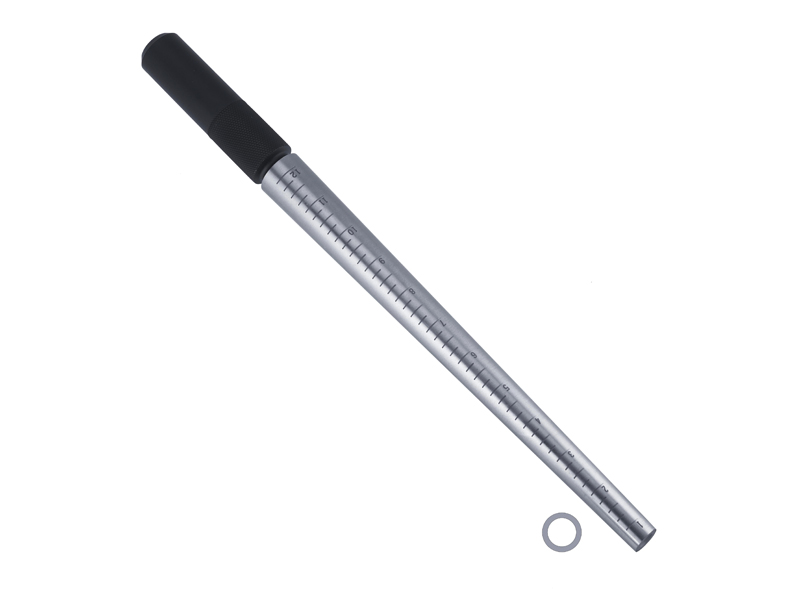
Ring Mandrel
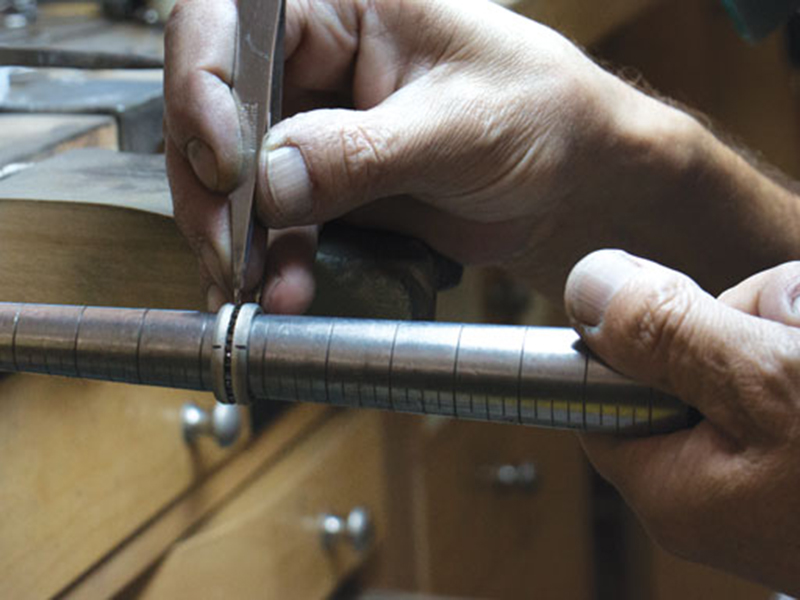
This steel, conical rod is used to size and round out rings. It has markings for each full size as well as the quarter sizes between them.
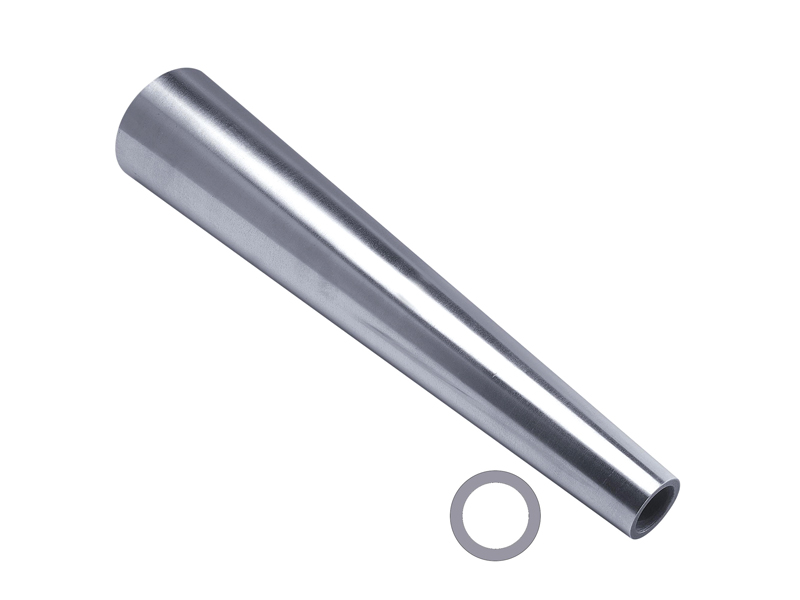
Bracelet Mandrel
Similar to the ring mandrel, this tool is used to size and shape bracelets, cuffs, and bangles.
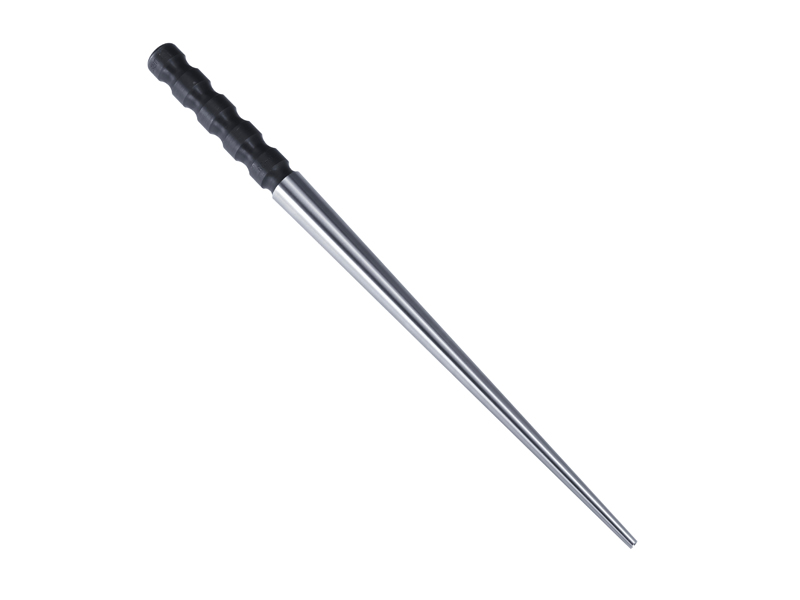
Bezel Mandrel
Another steel, conical rod, this mandrel is for the more delicate work required for fine silver or gold bezels.
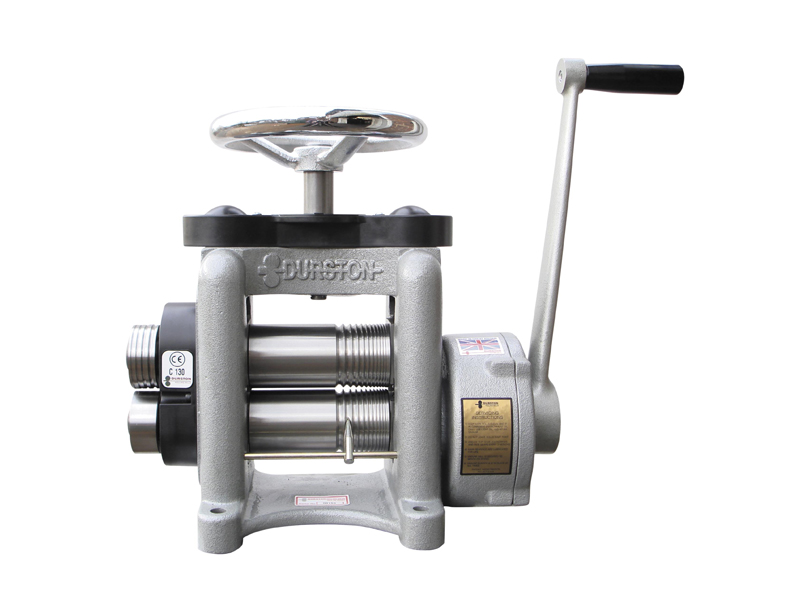
Rolling Mill
This combination mill (wire and sheet) can be used to reduce the thickness of sheet or wire for ring shanks or bezels, as well as emboss roll-print textures on sheet metal.
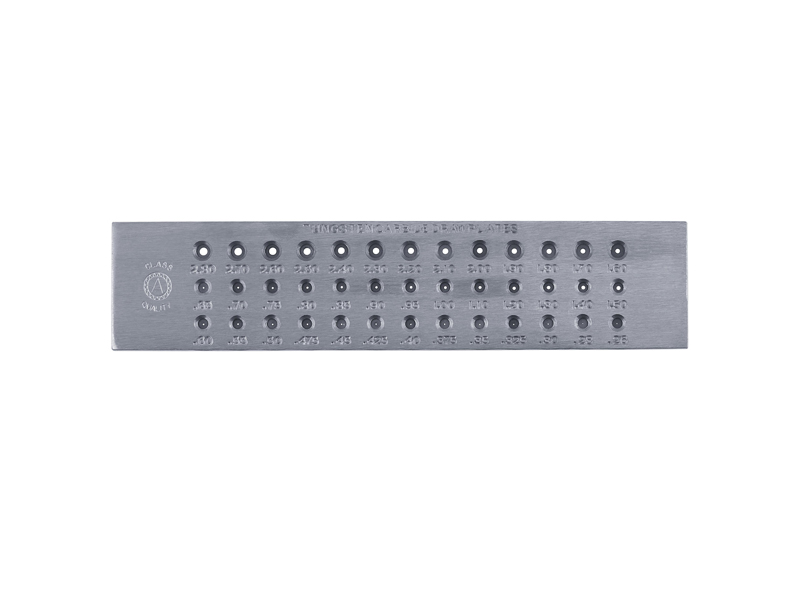
Draw Plate
This tool will reduce the thickness of wire and extend its length when passed through the holes on the plate.
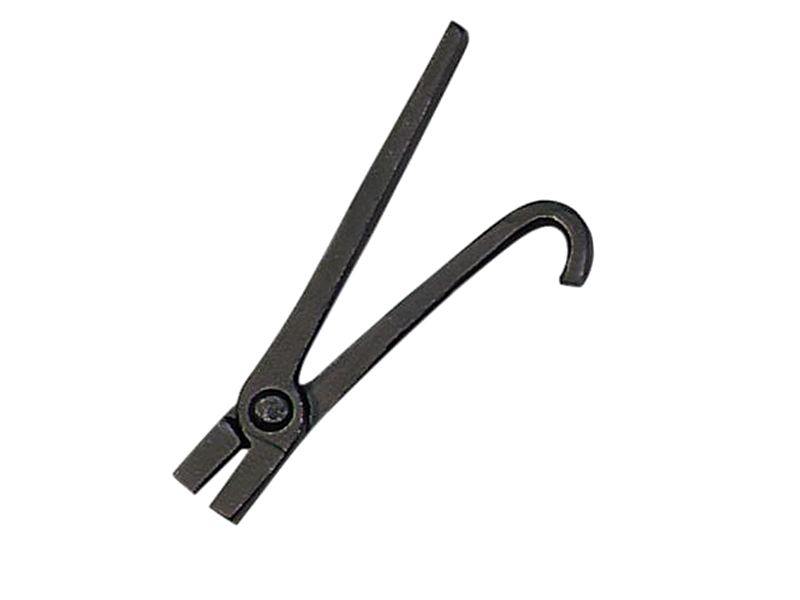
Draw Tongs
Used in the process of drawing down wire, the tongs are clamped on a tapered extrusion at the end of a wire, which is then pulled through the draw-plate. Differently shaped holes in the plates will shape the wire drawn through it.
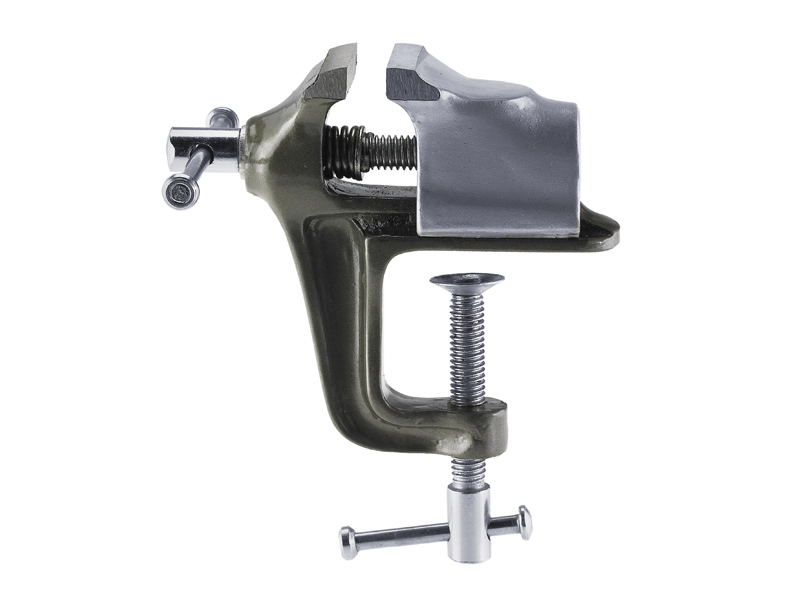
Bench Vise (Clamp On)
This tool comes in handy for holding wire while starting a rivet head with a cross-peen hammer and holding items while filing.

Pin Vise
This hand-held tool can come with a range of collets to hold burs, drill bits, and micro or mini needle files.
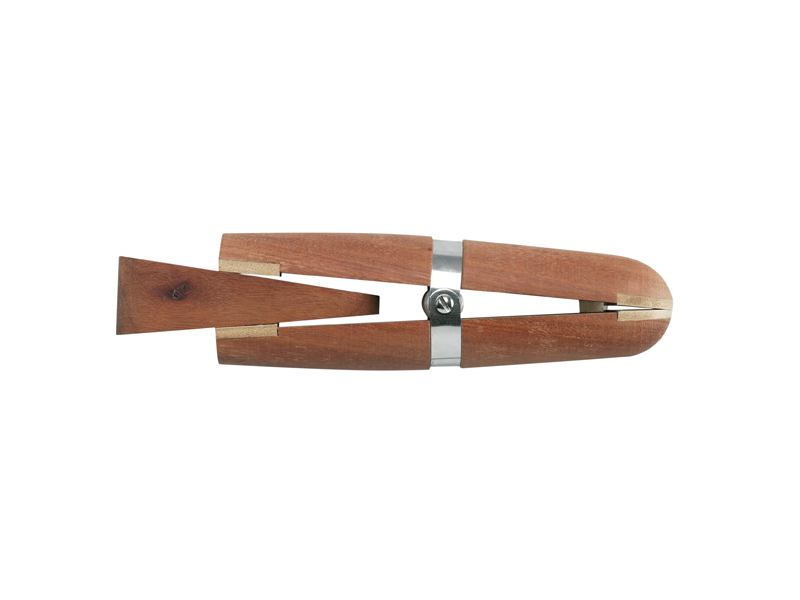
Ring Clamp
This tool is used to hold rings and other objects during filing and sanding.
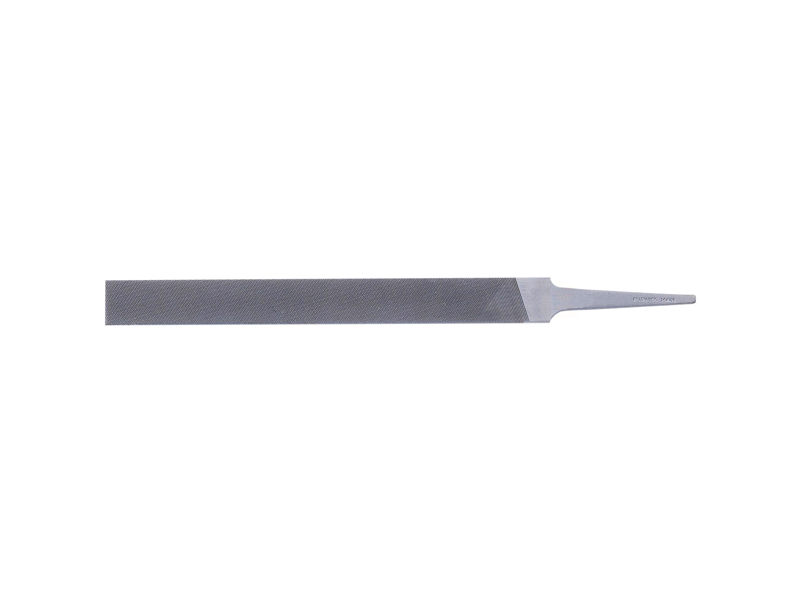
Flat (aka Pillar) File
This file features teeth on both flat sides and one edge. Several cuts available, each identified by a number; the lower the number, the coarser the cut (i.e., the wider the tooth,) while the higher the number (up to an 8 cut), the finer the tooth.

Half-Round File
This file is very versatile: the half-round side can be used for the inside of rings, while the flat size can be used to level out edges and keep them straight.
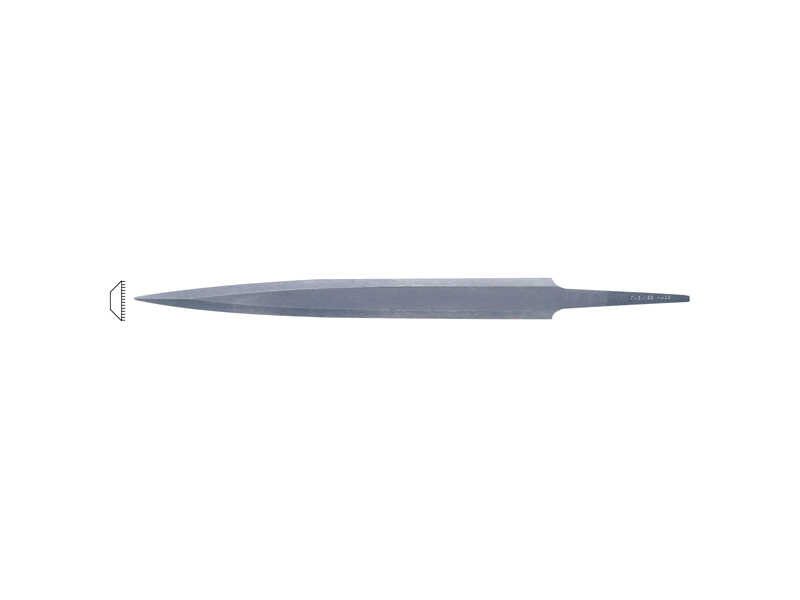
Barrette File
This file features a tapered profile from tip to tang, but has teeth only on the flat face of the file. A #1 cut is good for wax carving, and a #2 cut works well for finishing cast pieces.
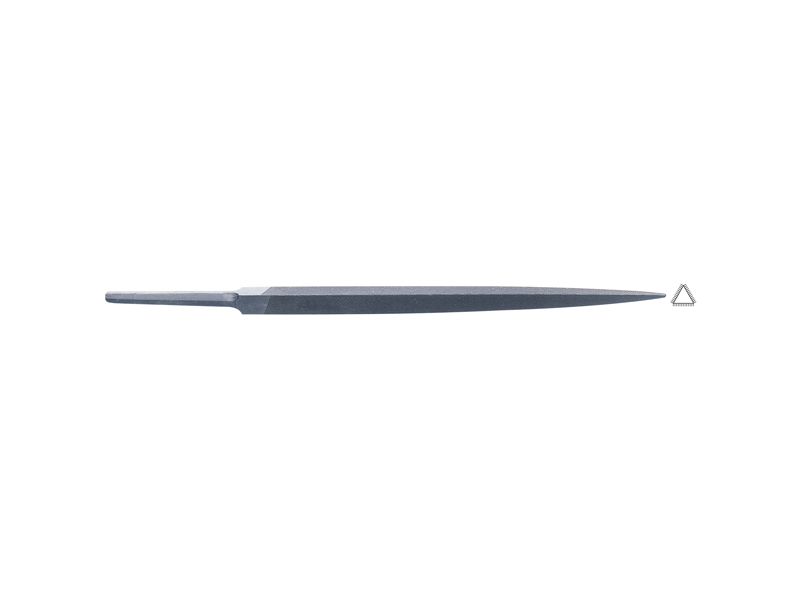
Three-Square File
The edges of this triangular file are ideal for scoring sheet or wire metal. The metal can then be easily folded along the scored lines.

Flex-Shaft System
he multi-purpose hand tool features a pendant motor and a flexible shaft that’s attached to a handpiece. Abrasive wheels, brushes, and buffs can be secured in the handpiece. The Jacobs Chuck handpiece is the most popular among jewelers, with three tapered jaws that can open and close to accommodate a number of mandrel sizes. (Much like “Kleenex,” the terms “Foredom” and “Jacobs Chuck” are brand names that have become standard term for these tool.)
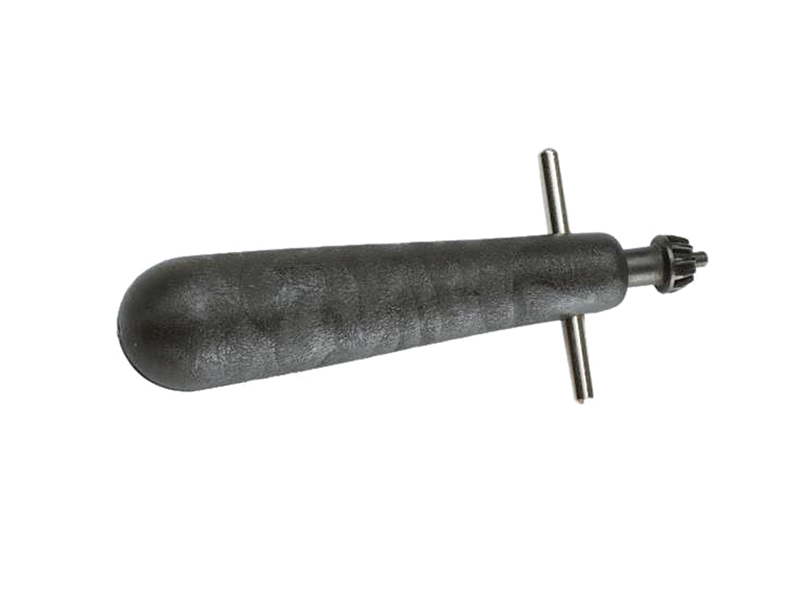
Chuck Key
Used to loosen and tighten the jaws of the Jacobs Chuck.
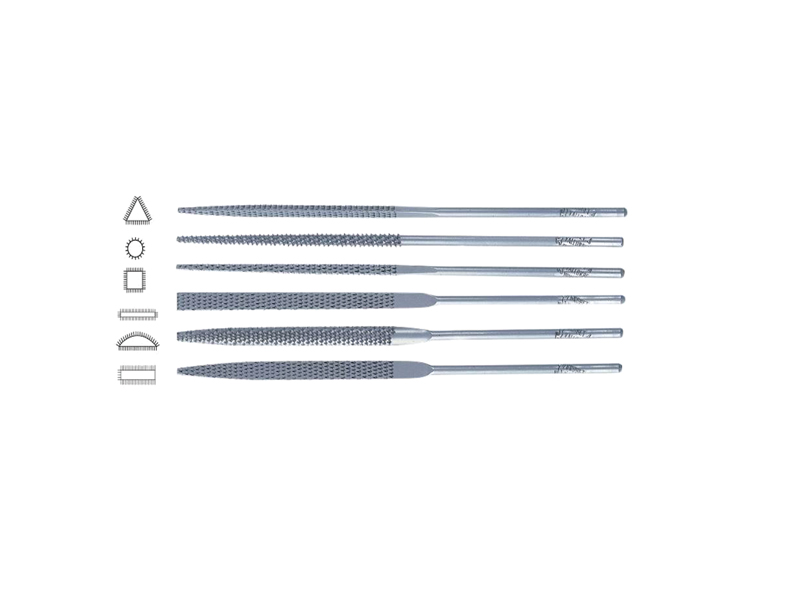
Wax Files
These files have a very rough surface that sheds carving wax dust quickly. Use with a light touch to avoid over-cutting.
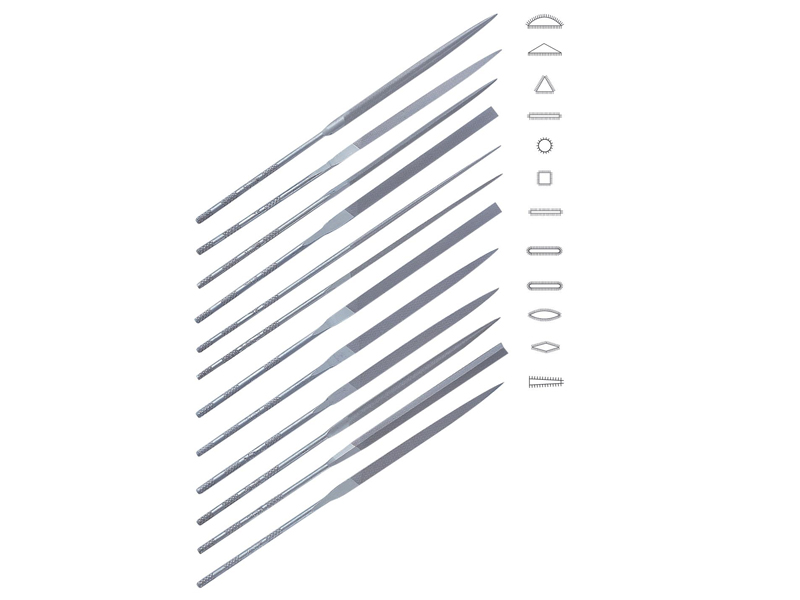
Needle Files
Smaller versions of the flat, half-round, Barrette, and three-square hand files.