

Fair Trade Protocols for Responsible Colored Gems
Doing It In-House
Columbia Gem House’s system for qualifying stone suppliers
Jewelry makers dedicated to responsible practices can get frustrated when it comes to sourcing colored gemstones, since there currently aren’t any gemstone-specific certifications for suppliers.
That’s one of the reasons why Eric Braunwart, president of Columbia Gem House (CGH) in Vancouver, Washington, decided to create his own in-house system for qualifying his stone suppliers. In doing so, he also found a way to acknowledge and support the smaller and artisanal mining operations that don’t have the means to seek an all-inclusive certification, such as the RJC Code of Practices.
He started by establishing a set of what he called the Fair Trade Gems Principles, which affirm a commitment to protecting the environment; preserving cultural diversity; protecting workers’ rights in the mining, cutting, and manufacturing processes; providing education about mining, cutting, and other gem-related trends to industry members and consumers, as well as reinvesting in training and education for mining communities; maintaining product integrity; and presenting a fully transparent supply chain.
He then developed a set of protocols based on those principles. The Fair Trade Gems Protocols are broken down into five levels that enable CGH to provide the “story” behind a stone:
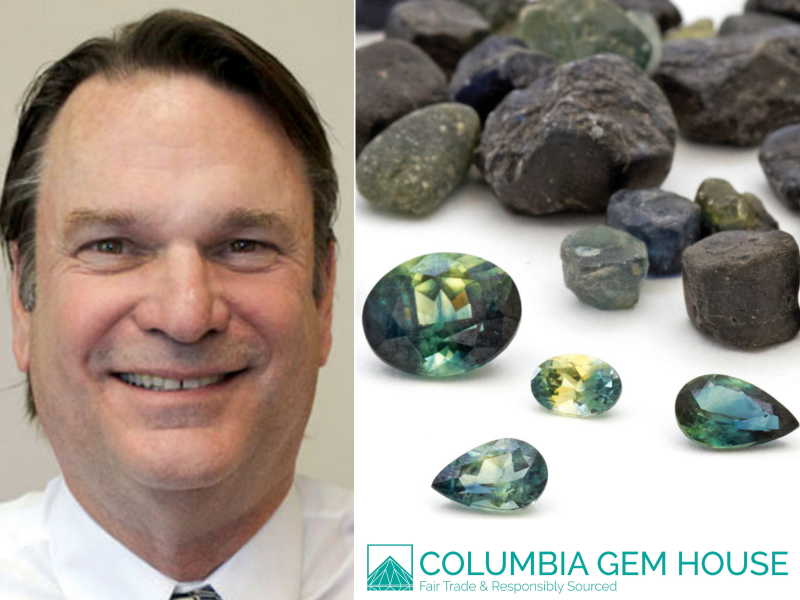
MJSA Podcast
Listen as Eric Braunwart tells his own story in selling colored stones, promoting responsibility and sustainability, and advocating for improvements to the jewelry supply chain.
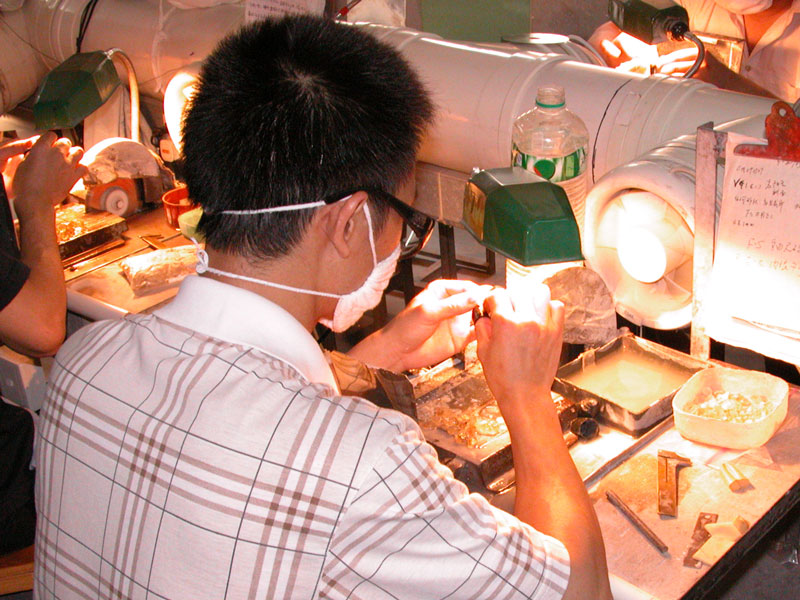
Level 1: Stones can be traced to a specific mine where CGH either conducts the mining itself or has formal agreements with the producer that all Fair Trade Gems requirements for workers and the environment have been met. CGH legally exports the gems before cutting them in-house, and in many cases will visit the mines regularly. This level also applies to production in countries with strong labor and environmental laws that are enforced.
Level 2: Stones can be traced to a specific rough broker or mine who guarantees the material comes from a known area. The supplier understands and supports CGH’s principles and protocols and assures that the rough material meets those standards. CGH cuts the stones in-house.
Level 3: Stones can be traced to the legal documented export of the rough from the country of origin. CGH works with the broker or mine to continually improve traceability. CGH cuts the stones in-house.
Level 4: Stones can be traced back to the gems being cut inhouse. CGH can confirm the country the origin but the material was sourced prior to the development of the principles and protocols.
Level 5: Stones were purchased from known and trusted suppliers prior to the development of CGH’s principles and protocols. CGH does not cut the stones in-house and cannot document the supply chain.
While the company offers materials at all five levels, the goal is for all the gems it sources to eventually become Level 1 or 2. He thought it was important for the company to find a way to recognize those suppliers who are interested in becoming more responsible but may currently lack the means.
“We could pick all Level 1s, but I don’t think marginalizing already marginalized communities is the way to go,” says Braunwart. “So, we engage in a wide range and work with them on our goals and needs. If they can do this, they can have better access to the market.” And that improved access can give the miners the means to further improve the conditions at the mine and in their communities.
Since introducing them, he’s been pleased with the industry’s overall reaction to the protocols.
“The good part is that there’s a lot more interest out there,” says Braunwart, who notes that he’s been contacted by several companies worldwide about finding a way to incorporate the protocol system into their operations. He’s just pleased to see growing interest within the industry in trying to improve and support the entire supply chain.
“It’s definitely a work in progress,” he says. “As a supply chain industry, we must find ways to make a better world.”