

Creating Modern Connections
The digital path to modern jewelry purchases
By Deborah A. Yonick
Now that everyone’s lives are shifting online due to COVID-19 restrictions that have more people working remotely and stuck at home for long periods of time, consumers are shopping differently and using digital technology in new ways.
This means that how a brand used to connect with its customers may not be as effective now as it was in the past. Brands are assessing their online footprint across platforms and how they are reaching existing and new customers.
It’s not surprising then that shoring up the digital path to purchase has been a hot topic in recent webinars and podcasts by jewelry marketing consultants. Among the generous insights shared were three key points to help brands up their digital strategies during COVID: the value of the website as a marketing and customer service asset, the value of e-mail addresses and targeted e-mail campaigns, and the value of social media crafted and promoted to expand brand engagement.
Your Website Is the New Dressing Room
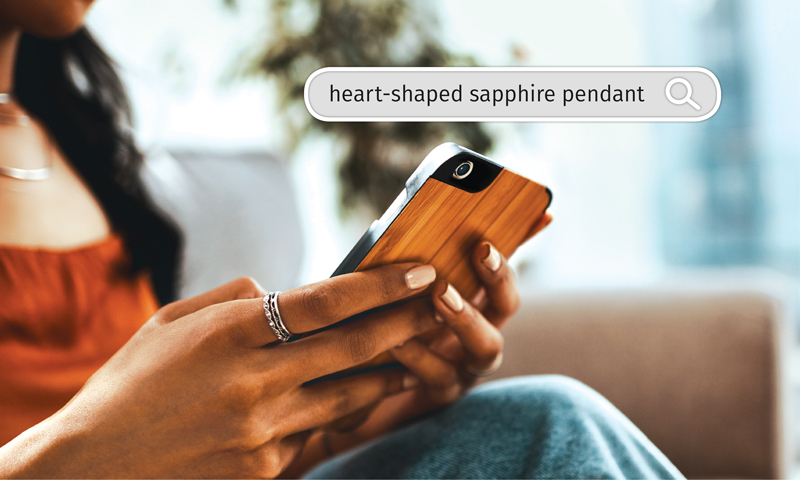
Search is the new foot traffic and a website the new dressing room where customers can learn more about a product, preached Andrea Hill, owner of Hill Management Group, in a recent Instore webinar. “Consumers may search ‘jeweler near me,’ but more likely they’re typing in something more specific, such as ‘heart-shaped sapphire pendant in 14k gold bezel setting.’”
Hill counseled jewelers to upload their entire inventory. She views each product as a “tiny gift box of SEO terms” when telling compelling jewelry stories, with every story searchable.
“SEO is all about words, and words are the currency of the internet,” she said. “The website with the best words, most words, frequently updated words wins! Think of how much new content you can add by uploading five new pieces a day, until all of your inventory is online.”
A website’s product listings include SEO analytics set up for search engines, said Hill, with the title and slug (which is the part of a URL that explains a page’s content) key search-tool words. She recommends the title include three to five highly descriptive words about the piece/post, and the slug be a two-line description of great sales copy. Top search engines elevate websites that have fresh, unique content that is updated often.
Now is the best time to do an SEO audit to see where your brand stands, said Laryssa Wirstluk, founder and creative director of Joy Joya Marketing in her podcast. “Perform an SEO competitive analysis, choose target keywords, and pursue some SEO quick wins. Every brand can do better at SEO.” She recommends user-friendly tools that help make it easy, such as Moz and SEMRush.
E-mail Addresses Are Worth Money
You don’t need all the customers, Hill reminded webinar attendees, just the right customers for you. The objective is to bring people to your website and generate leads by encouraging them to sign up for e-mail updates.
Fine jewelry customers typically visit a website three to six times before making a purchase, said Hill, adding that only 5 percent of those will come back and buy. This is why it is so critical, says Wirstluk, for product pages to include a persuasive call toaction for subscribing to e-mail updates, offering an incentive for visitors to provide an e-mail address and follow a brand on social media. Motivations include exclusive coupons, an invitation to a virtual or in-person event, or a downloadable ebook catalog.
An advocate for targeted e-mail campaigns, Wirstluk cited Econsultancy/Cheetah Digital research that e-mails beat banner ads, social media native apps, and organic posts by up to 180 percent as the leading form of digital marketing. Almost three quarters of U.S. consumers say they’ve purchased a product directly as a result of an e-mail they have received.
“It’s mind-boggling how many brands put e-mails on the backburner,” Wirstluk lamented. “The customer has given you permission to send her e-mails. It is one of the most personalized forms of contact you can do. Make it relevant.” Consumers today crave a personalized marketing experience and want to receive content uniquely tailored to their shopping habits and preferences, and they’re willing to give up their personal data to get it.
Gather as much information as you can in your e-mail sign-up form to help segment your e-mail marketing campaigns. Jewelers can create categories tagging their customer list by age group, geographic location, and purchase interest.
“It can take some extra time and effort to set up your e-mails in this way, but it will give you more targeted and impactful e-mail campaigns,” said Wirstluk. For those who have a limited marketing budget right now, there’s more value in retention than acquisition, and she suggested focusing on customers who’ve spent the most with you in the last one to five years and e-mailing them a personal message.
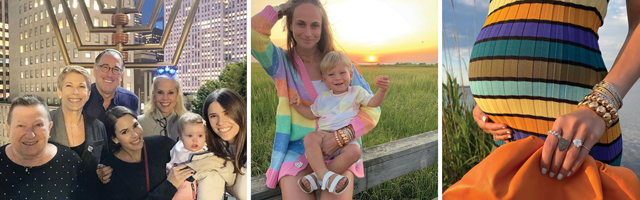
William Goldberg Diamonds and Stephanie Gottlieb have been successful in sharing pieces of themselves to their audiences on social media. “Now more than ever, people want to connect and relate.”
Social Media Must Expand Brand Engagement
Social media is an engaging forum to promote products, services, events, and experiences that can get consumers to your website to learn more and to also sign up for e-news. By using social media as both a marketing platform and customer service portal, brands can improve their customer experience by being highly responsive and engaged with followers, Wirstluk advocated.
This practice should be part of what a brand does every day on every channel, encouraged Hill. But she cautioned that what you put out there must add something to your customers’ lives, such as humor, knowledge, recommendations, and connections.
The jewelry industry is at an advantage because the product itself is visually compelling, with so many stories you can create around it, cited Monica Elias of Elias World Media in a recent podcast for The Plumb Club. “There’s magic in storytelling around the products you curate and your business that can be captured in blog posts, short videos, and picture stories. The power of storytelling makes consumers feel something. It brings positivity and optimism.
“The two best ways to get to know your customers better is through conversation and observation,” continued Elias. “Have genuine conversations. Ask your customers which social media platforms they look at for jewelry information and which influencers they follow.”
Stop deciding what your customers want and let them decide, added Wirstluk, counseling brands to use all data available to them, such as Google Analytics and Facebook and Instagram Insights, to map out their customers’ shopping habits and path to purchase.
Social media is a low-cost medium for people to get in, but it’s very competitive if you can’t figure out how to differentiate, said Tracey Ellison, The Diamonds Girl. The former Fortune 500 customer service strategist turned jewelry influencer shared in a recent webinar for Rapaport how she started her Instagram blog seven years ago with photos of her posed in travel shots showing only her back.
“That was my shtick,” Ellison said about starting out as an unknown entity. Through creative content she revealed things about her brand and captured the imagination of more than 700,000 followers.
“What is it about you and your business that’s unique to you?” Ellison asked. “How can you use digital platforms to engage and interact in a human way? How can you humanize the shopping experience?”
She cited several jewelry brands, including Stephanie Gottlieb and William Goldberg Diamonds, that have been successful in sharing pieces of themselves to their audiences on social media. Gottlieb has brought her followers along as her family grows, watching her new baby bump grow, while Goldberg celebrates the generational stories of this family business.
“Now, more than ever, people want to connect and relate,” said Ellison, challenging brands to think about how they can use the tools available to shift from a transactional online presence to becoming more of a living, breathing, emotional presence.