

Buying a watch or timepiece is an exciting experience, but there are many factors to consider before making a big purchase. Timepieces have evolved from complex time-keeping mechanisms to cherished heirlooms to expressions of status and style to futuristic, technological wonders. Whether seeking a special collector’s timepiece for an enthusiast or an addition to your fine jewelry collection, get to know the mechanics and construction that go into building the perfect timepiece.
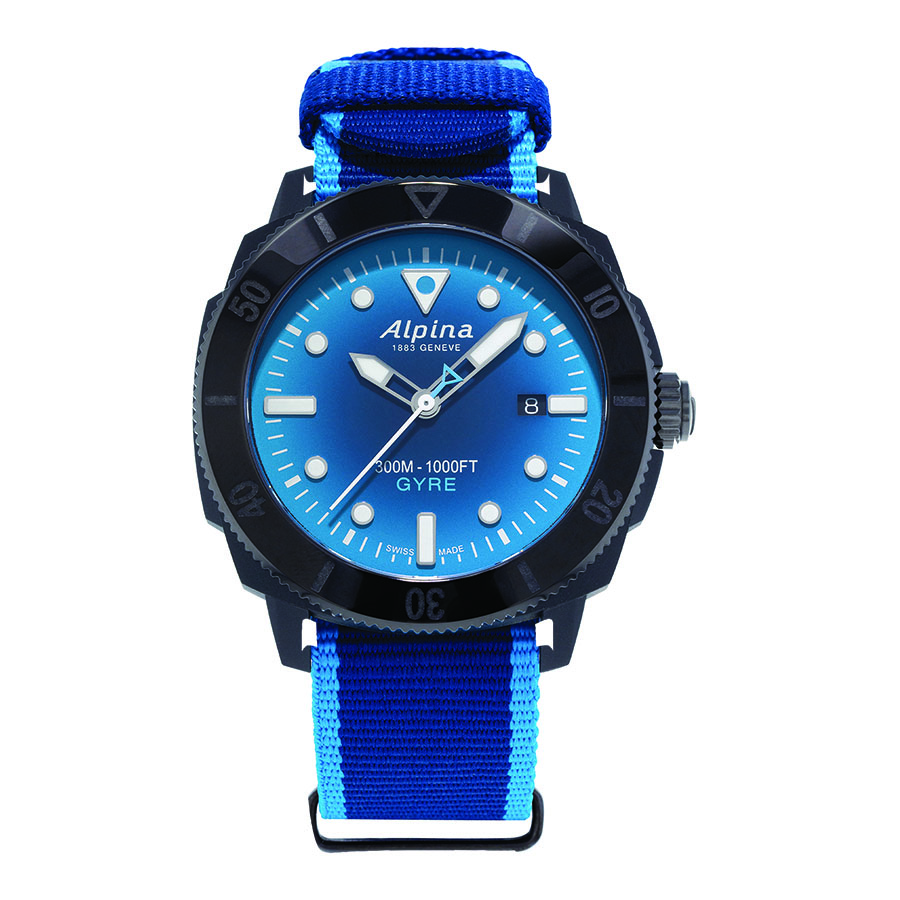
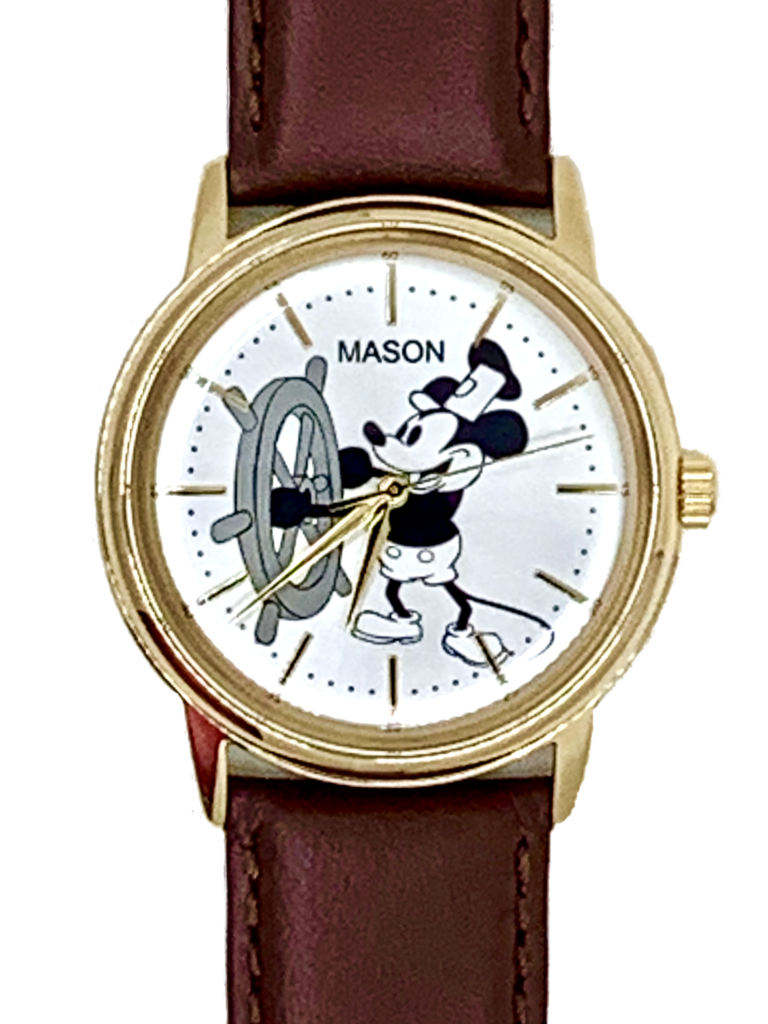
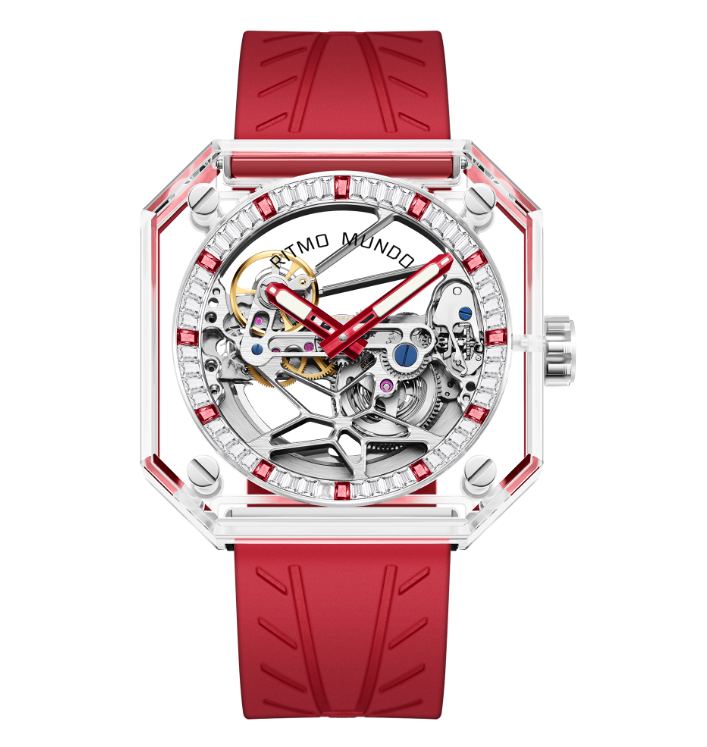
Timepiece vs. Watch
The terminology of “watch” vs “timepiece” is subtle, but you may hear both terms being used interchangeably. When the piece is specifically labeled as a “timepiece,” it generally means it does not run on a battery, instead using wind movements, and it has other functions outside simply telling the time. Timepieces also tend to refer to higher-end, more valuable pieces versus watches.
Types of Watches
Mechanical
The traditional “wind-up” watch. The mechanical movement is powered when the wearer winds an internal mainspring, by turning the crown on the side of the watch. The spring gradually unwinds and turns tiny interlocking wheels, which move the watch hands to measure seconds, minutes and hours.
Automatic or Self-Winding
Mechanical timepieces that are wound by the motion of the wrist. This motion makes the rotor pivot around a staff connected to the mainspring through a gearing. Overwinding is prevented by a clutch. These watches can also be wound manually.
Quartz
A quartz watch uses a movement typically powered by a battery. The battery sends electronic impulses through a small bar of synthetic quartz crystal, which oscillates 32,768 times per second. A quartz watch should function properly for years, with a battery life of one to up to five years. Quartz watches are generally more accurate than mechanical watches for two reasons: mechanical watches have many moving parts, which results in more friction and less accuracy as the parts interact; and the constant vibrations of the quartz crystal allow for unprecedented accuracy of the measurement of seconds. Quartz watches may also be powered by solar or kinetic energy instead of batteries.
Analog
An analog watch displays time with traditional hands that move about the dial.
Digital
A watch that displays the time through numerals, usually using LCD or LED technology, rather than with a dial and hands (analog) display. Digital watches have no moving parts.
Selecting the Right Watch
Selecting a watch, like selecting any piece of fine jewelry, should be based on personal taste. There are watches that can match any style preference – sporty, dressy, techie, tailored or sophisticated. When shopping with a professional jeweler, consider the following factors.
Metals
The metal used in a watch will affect its wear and the price. Generally, fine watches are offered in steel, 14- or 18-karat gold, platinum or combinations thereof. Gold is softer than steel and may scratch in very rugged conditions. It is, however, a metal of choice for fine watchmaking as it offers old-world elegance. Platinum is also used often by prestige brands as it is the rarest and hardest of all precious metals. Stainless steel and titanium are durable materials that are favorites of watchmakers due to their scratch resistance. Learn more about fine jewelry metals.
Variable Costs
The price of a watch isn’t always contingent strictly upon the materials used for the case, bracelet or crystal. Often, 50 to 75 percent of the cost comes from what’s inside the watch. If it’s a mechanical or complicated timepiece that offers additional functions and can have as many as 600 or more individual parts, the price is significantly higher due to the complexity of the movement. Price is also varied by a watch’s features, which can make it more valuable and thus more expensive, including: diamond bezels or gemstone markers; world-renowned brands that have established reputations over the centuries for elegance and quality; or fine watches designed and created by highly trained artisans that are considered works of art.
Watch Features & Benefits
Besides the time-keeping functions, many watches have more to offer. There are chronographs (watches that combine stopwatch functions for measurement of continuous or discontinuous intervals of time), alarm watches (that offer an alarm mode), dual-time zone watches (that offer the time in more than one zone), watches with moon phase indicators or power reserve indicators (that indicate power life left before needing rewinding), and perpetual calendars (that offer a calendar day/date readout that automatically adjusts for months of varying length and for leap years). Watches are technological wonders. Knowing the technology and terminology will help you in your watch search.
Watch Terminology
- Alarms : Ability to schedule the watch to alert you with an alarm sound at a pre-set time.
- Analog Display: Time is displayed by hands rotating on a marked dial.
- Automatic or Self-winding: Mechanical timepieces that are wound by the motion of the wrist. This motion makes the rotor pivot around a staff connected to the mainspring through a gearing. Overwinding is prevented by a clutch.
- Bezel: The ring that surrounds the watch face. This holds the glass covering or crystal in place. It can be stationary or rotating or have special functions, like indicating minutes on a diving watch.
- Chronograph: A stopwatch that measures continuous or discontinuous intervals of time. The chronograph can be started, stopped and reset at will by way of push buttons. When used in conjunction with specialized scales on the watch face, it can perform many different functions, such as those of a tachometer, a telemeter or a pulsimeter. Not to be confused with a chronometer.
- Chronometer: A chronometer is a movement that has received a certificate delivered after passing a series of stringent tests under varied temperatures, vertical positions, etc. The most renowned official testing organism for chronometers is the Swiss C.O.S.C., or Contrôle Officiel Suisse des Chronomètres.
- Date Display: Usually a calendar, this feature shows the date. There are several types of watch date displays: digital or sub-dial calendars. A “perpetual calendar” automatically adjusts for the varying lengths of months (28, 29, 30 and 31 days) and for leap years.
- Digital Watch: A watch that displays the time through numerals, usually using LCD or LED technology, rather than with a dial and hands (analog) display.
- Escapement: A device in a mechanical watch that controls the rotation of the wheels and the motion of the hands.
- Fly-back Function: An extra second-hand that is superposed on a chronograph’s main second-hand and is commanded by an additional push-button. To read intermediate time duration, the fly-back hand is stopped, and then made to “fly back” to rejoin the main second-hand.
- Guilloché: On the face of the watch, an engraving technique in which a very precise, intricate, repetitive pattern or design is mechanically etched into an underlying material with very fine detail.
- Index: A design used to mark a period of time on a dial, usually the hours, the minutes and the seconds. Markers can also be used to indicate the remaining hours on a power reserve indicator, the heartbeats on a pulsimeter, etc.
- Jewels: Synthetic rubies or sapphires used as bearings in a watch movement to reduce friction between parts. They also have the capacity to retain lubricants by capillary action, releasing them little by little. Many mechanical watches have 17 of them, although their number can go up to more that 60 on collectors’ masterpieces.
- Moon-Phase Indicator: A disk with a drawing of the moon rotating underneath the dial according to the rotations of the moon. The phases can be seen through a “guichet,” or window, and are sometimes accompanied by the indications of the age of the moon.
- Multiple Time Zones: A watch that simultaneously displays time in multiple cities, either with separate hour hands or apertures. Other terms associated with this complication are “Dual Time Zone” and “World Time.”
- Mechanical Movement: A movement powered by a mainspring and a balance wheel, as opposed to a quartz movement which requires a battery. Some mechanical movements are automatic (or self-winding), where the mechanical timepiece is wound by motion of the wrist.
- Perpetual Calendar: A calendar that automatically adjusts for the varying lengths of months (28, 29, 30 and 31 days) and for leap years.
- Quartz Movement: A movement powered by a quartz crystal and battery. This synthetic crystal oscillates 32,768 times per second.
- Sapphire Crystal: A transparent, shock-resistant, scratchproof, synthetic-sapphire covering used to protect the face of a watch.
- Shock Resistance: As defined by U.S. government regulation, a watch’s ability to withstand an impact equal to that of being dropped onto a wooden floor from a height of three feet.
- Tourbillon: The tourbillon corrects errors in timekeeping due to the effect of gravity on a watch in vertical positions: in a regular escapement/balance mechanism, the center of gravity shifts, depending on the position of the watch in space (horizontal, vertical), thus affecting its rate.
- Tachometer/Tachymeter: A scale, usually located on or near the bezel of a watch, that measures the speed at which the wearer has traveled over a measured distance.
- Water Resistance: A watch’s ability to withstand water pressure to a stated depth. Watches marked as “water resistant” without a depth indication are designed to withstand splashes of water only. Watches with high levels of water resistance will reflect this by stating the number of meters the watch is resistant to (usually between 50-200 meters)
This watch glossary was developed in collaboration with the experts at WatchTime, America’s leading watch magazine.
Durability, Reliability & Water Resistance
Reliability is a key factor in choosing a watch, especially a sport watch. The most reliable and durable watches are tested in a Swiss observatory under stringent conditions in various positions and extreme temperatures, heights and depths, and are then certified.
Water resistance refers to a watch’s ability to withstand water pressure to a stated depth. To be deemed water resistant, most fine watches are subjected to a pressure test equivalent to a diver’s depth of 100 feet. If the watch shows no sign of internal humidity or damage, it can be called water resistant. Degrees of water resistance vary: 50 meters is most standard but many watches are resistant to several hundred meters or more. Watches marked as “water resistant” without a depth indication are designed to withstand splashes of water only. Watches with high levels of water resistance will reflect this by stating the number of meters the watch is resistant to (usually between 50-200 meters) on the dial or back of the case. This resistance is indicated in ATM, or atmospheres, which is a unit of measure for pressure. A smart shopper will match their needs and personal wearing habits to the right level of water resistance.
| ATM | Max Depth (m) | Max Depth (ft) | Wearability |
|---|---|---|---|
| 1 | 10 | 33 | Safe from limited exposure to moisture like rain and hand washing |
| 3 | 30 | 100 | Safe when immersed for very brief periods |
| 10 | 100 | 330 | Designed for swimming and snorkeling |
| 20 | 200 | 660 | Designed for snorkeling and scuba diving |
After-Sales Service & Repairs
Before purchasing, be sure you’re familiar with the back-up support of the brand and the seller. Find out if the seller has an after-sales service facility on premises if repairs are needed and if the brand has a U.S. service center. If there is no facility on the premises, be sure to ask how th watch will be repaired if it becomes necessary. If you purchase a name-brand watch from a jewelry retailer and feel that it is not authentic, contact the Jewelers Vigilance Committee (JVC) (www.jvclegal.org), a not-for-profit trade association formed in 1912 that helps to maintain the jewelry industry’s highest ethical standards.
Warranties
Every watch manufacturer offers a warranty and a professional jeweler should be able to explain the warranties available. Typically warranties are for one year but some companies may offer several years or extended warranties. Be sure the watch comes with its original packaging, box and documents and ask for a detailed, itemized receipt.
Where to Buy A Watch
To make sure you are getting a quality watch, only purchase from professional jewelry retailers or watch dealers that are authorized to sell the watch brand. This is especially true in the case of luxury watches when the watch warranty or guarantee may not be considered valid by the watchmaker if the dealer is not authorized.
While you can find timepieces in many types of stores, buying from a professional and reputable jeweler ensures that the watch you purchase is high quality and will last for years to come. Choose a retailer who has demonstrated a commitment to professionalism and has an established reputation. Ask if the jeweler is a member of Jewelers of America; our members commit annually to the highest ethical business practices. Look for the “J” logo on the company’s door or website or search them in our Find a Jeweler directory. Their commitment to customer service ensures that they will be there for your future purchases, repairs or custom design needs. JA Members have signed and abide by a Code of Professional Practices, so you can buy with confidence.
How to Care for a Watch
Only an expert jeweler or watchmaker should be trusted to repair your watch. While you should your watch in for regular “check ups” to your jeweler for optimum performance, there are some care steps you can do at home to ensure your fine watch lasts a lifetime and beyond.
- Read the manufacturer’s instructions and warranty information carefully.
- Oils from your skin can build up on a watch. If your watch is water-resistant, clean it with a damp cloth and a mixture of warm water and mild soap. For watches with non-metal straps, consult your professional jeweler on how to clean.
- Wind your watch in a clockwise direction about the same time each day. Remove from your wrist when winding.
- Although many watches are equipped with shock-resistant devices, it’s not wise to subject it to overly vigorous treatment.
- Replace broken or scratched crystals immediately at your jeweler. Even a hairline crack can threaten the timekeeping mechanism’s accuracy.
- Unless the degree of water-resistance is clearly specified when you purchase your watch, do not expose it to water or moisture.
- Always ensure that locking crowns and cases are secure before immersing a water resistant watch. Be sure to wash your watch off in freshwater immediately after exposing it to saltwater.
- Have the battery in a quartz watch replaced by a professional before it runs out. Dead batteries left in a watch can leak or corrode, ruining the timepiece.
Consult your jeweler with any specific questions about your fine watch. Your jeweler values you as a customer and you should trust their expertise and judgment.