

Cut Waste and Boost Efficiency with AI
Work Smarter, Not Harder
When used with discipline, artificial intelligence can strengthen margins.
By Andrea Hill
(Originally Published by MJSA October, 2025)
Profit margins in jewelry manufacturing have always been fragile. Rising labor costs, global competition, and unpredictable supply chains make it harder to hold onto the dollars you earn. Artificial intelligence (AI) is already working behind the scenes in many of the tools you use, but it can do more if you apply it carefully. AI is not a magic fix, but when used with discipline it can help studio jewelers, manufacturers, and suppliers reduce waste, speed up processes, and strengthen profitability.

Smarter Production & Inventory
One of the most direct ways to improve margins is through production planning. For small and midsize manufacturers, scheduling mistakes and bottlenecks can quickly eat into profits. AI tools can work with your ERP or planning systems to analyze order flow, inventory levels, and even seasonal trends, helping you match resources with demand more effectively. The result is less overtime, fewer idle machines, and better use of materials.
Inventory is another area where AI can make a measurable difference. Carrying too much stock ties up capital, while too little means missed sales. Forecasting tools that draw on historical sales data and market signals can recommend smarter reorder points. Even mid-market ERP systems now include forecasting modules with AI built in, giving you better balance between availability and carrying cost.
Pricing decisions are traditionally a mix of art and science. AI helps strengthen the science. By tracking competitor pricing and raw material fluctuations, AI-based pricing tools can help you adjust more confidently. For B2B orders this might mean building more dynamic pricing models into your quotes. For direct-to-consumer sales, it can mean testing strategies online without risking major missteps. Either way, the goal is to protect profitability while remaining competitive.
Reducing Waste & Overhead
Manufacturing waste is another silent margin killer. Mistakes in casting, stone setting, or finishing quickly add up. Large factories are beginning to use AI-powered quality control to detect potential issues earlier, but costs are dropping and smaller shops can start to experiment. Even something as simple as AI-assisted image recognition during inspection can cut down on rework and rejected product.
Administrative tasks are also an area where AI can support profitability. Every hour you or your team spend on order entry, purchase orders, or invoicing is an hour not spent on production or customer relationships. AI can automate much of this routine work. The artistry and craftsmanship that define your brand remain untouched, while the background work becomes faster and less costly.
Better decision-making is another benefit. Many manufacturers operate with limited visibility across departments, and decisions are often made in isolation. AI can unify sales, purchasing, production, and inventory data so you see the likely impact before making a choice. If silver prices rise, AI dashboards can show how that change will affect margins on current jobs and what adjustments may be required.
Moving Forward Carefully
Of course, there are risks. Buying into tools without a clear use case is a quick way to waste money. The safest approach is to focus only on AI that directly improves efficiency or reduces costs. And never assume the system can run without human oversight. Owners and managers remain responsible for delivery dates, pricing promises, and compliance outcomes.
Business owners are rushing to implement AI, and many are wasting a lot of time and money in the process. The best way to approach AI is to ignore the hype and take baby steps. Start with one problem and one tool, then measure results. Long-term success will come from discipline, not speed.
Margins will always be fragile in manufacturing, and every percentage point matters. AI is not about replacing people or artistry, but making better use of the time, money, and materials you already have. Start with one clear problem, apply AI thoughtfully, and keep strong human oversight in place. The businesses that succeed won’t be those chasing hype, but those treating AI as a practical tool to protect and grow margins.
AI Marketing Tips (Without Looking Like a Bot)
Marketing can feel like a burden when you’re already spending long days on production and customer orders. Artificial intelligence (AI) can help lighten the workload.
One of the simplest ways to put AI to work is in content creation. These tools excel at drafting product descriptions, blog posts, and email campaigns. The key is never to publish exactly what the system generates. You are responsible for inaccuracies or plagiarism, so always edit for accuracy.
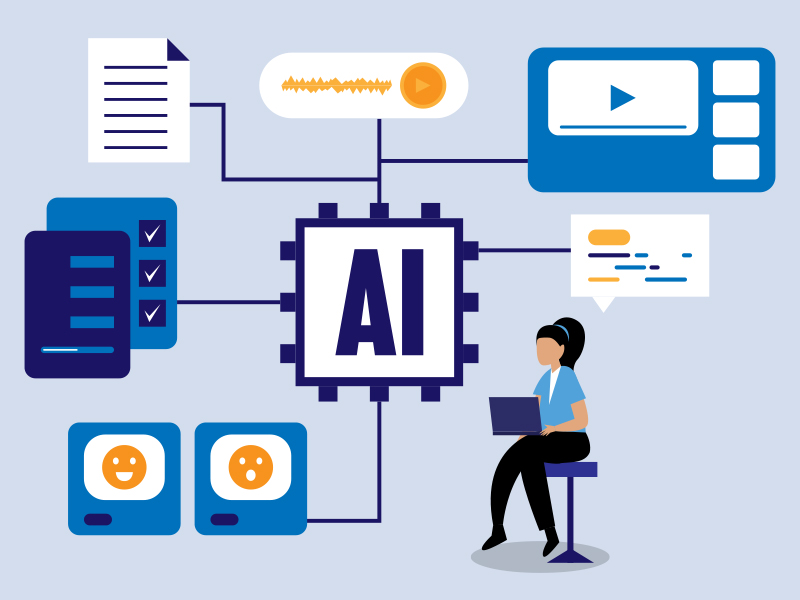
Visual content is another area where AI can save time. Many tools can resize, crop, and clean up product images for catalogs and social media. What you cannot do is replace original product photography. AI-generated images still risk plagiarism and often contain awkward mistakes that can undermine your professionalism. Use AI for routine adjustments and rely on proper photography for anything representing your brand.
AI can also provide useful insights into customer behavior. By analyzing chats, emails, or order data, these tools can reveal patterns in what buyers want, helping identify opportunities, refine products, and improve outreach.
AI is best treated as a helper, not an autopilot. Once learned, it can save time, highlight patterns, and sharpen messaging. But your authentic voice and industry expertise remain the most important elements of your brand, so remember to treat AI like a marketing assistant, and not the expert.