

The Pluses (and Minuses) of Metal Molds
A Classic Casting Method
Metal molds remain an option for mass production, but are they right for you?
By Shawna Kulpa
(Originally Published by MJSA August 2023)
Casters have been using metal molds since World War II, when 90 percent of the country’s access to natural rubber was cut off and what was available was needed for military purposes. However, many modern-day jewelers are unaware that they’re an option for mass producing their designs.
Which is too bad, since metal molds can be very useful in certain situations—for example, when the designs feature very fine detail and thin walls, or when an item must achieve tight tolerances and meet a specific price point. Metal molds also produce more consistent patterns and last longer than rubber molds. The downside is not every design can be made in a metal mold, and metal molds also add more to the upfront cost of production.
All of which leads to the biggest question: Is a metal mold right for you?
What are Metal Molds?
If you’re not familiar with them, metal molds are similar to rubber molds in that a pattern is cut into them, and the pattern is then injected with a material (wax or plastic) to create the model that will be cast. They can be made from a range of metals. Many manufacturers use steel, the hardness of which helps to extend the mold’s life expectancy. However, steel molds take longer to mill and are more expensive than molds made in other metals. Within the jewelry industry, many manufacturers have turned to aluminum and brass.
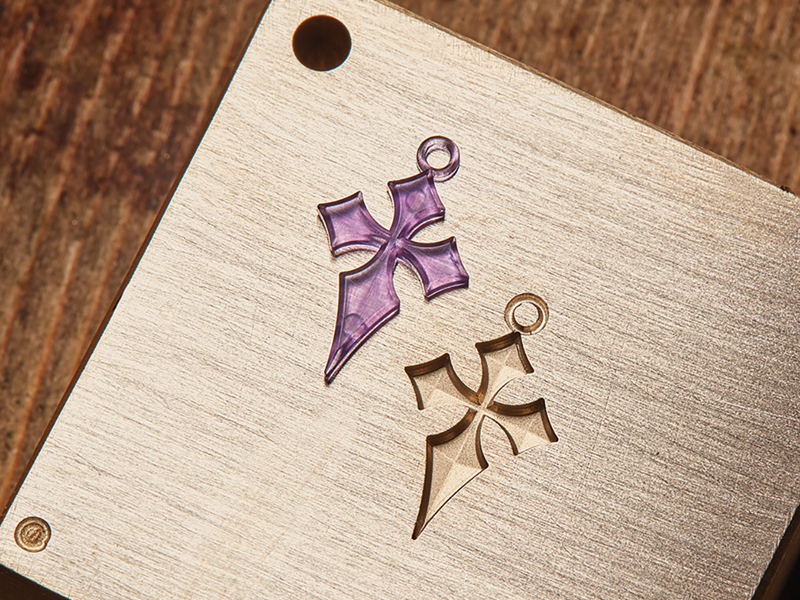
Jon Vannoy, director of metal mold engineering and tool and die at Stuller Inc. in Lafayette, Louisiana, says that they use brass molds exclusively at Stuller. “They will be damaged more than a conventional steel mold, but it’s much easier to machine,” he says. The company also prefers brass because it’s easy to repair. “We can use a laser welder and brass wire to weld them,” he explains. “You can’t do that with steel.”
Typically, metal molds are milled, which requires a skilled machinist. Joel Meltzer, director of manufacturing at TechForm Advanced Casting Technology in Portland, Oregon, notes that it is possible to create metal molds using EDM, where the model details are burned into the metal, but the results tend to be a bit rougher than with milling.
“It’s the nature of the technology,” he says. While EDM molds may offer an upfront cost savings, you’ll wind up paying on the back end for the labor needed to clean up the rough finishing.
How do Metal Molds Differ from Rubber Molds?
Like rubber molds, metal molds can be injected with wax, and there are times when it is the best option. According to Vannoy, wax is the best choice when injecting large, flat pieces. However, for everything else, most manufacturers prefer to use plastic, specifically polypropylene, for several reasons.
First, it cools quickly. Vannoy estimates that an average plastic model cools within a metal mold in approximately “three seconds, tops,” allowing the injector operator to quickly remove the model and get the mold ready to inject again. Wax takes longer to cool within the mold, especially if you want to ensure it doesn’t get deformed during removal. That time difference means that instead of being able to produce hundreds of models a day using rubber molds, metal molds offer users the ability to produce thousands of models daily.
Another advantage that plastic offers is durability.
“When you’re pulling a wax piece out of rubber, you have to be careful,” says Vannoy. He adds that wax models can also sometimes get deformed during the investing process, whereas if a plastic model gets bent while investment is being poured into the flask, it will return to its original shape before the investment hardens. “Plastic has memory to it,” he explains. “You can smash it, and it bounces right back.”
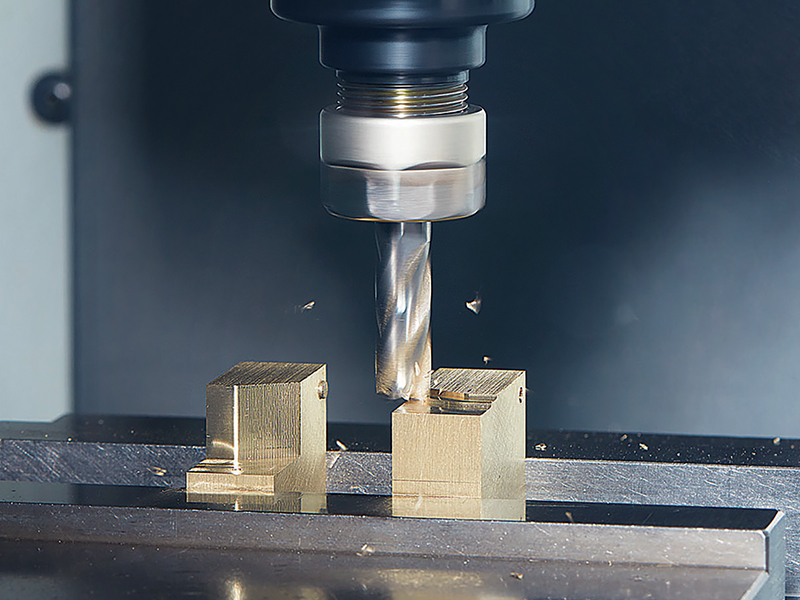

Although prices differ depending on the manufacturer, Vannoy shares that metal molds generally cost twice as much as rubber molds, if not more, for the same design at Stuller.
Metal molds can withstand much higher pressure during the injection process. Whereas the average pressure used by wax injectors to fill rubber molds is around 30 to 40 psi, metal mold injectors can operate at pressures as high as 3,000 to 6,000 psi. This high pressure helps pieces fill better, which allows you to create designs with very fine details.
“In my experience, with plastic you can inject under higher pressure and get a crisper injection,” says Meltzer.
Another big difference is that metal molds can be more complex, with plugs used to fill the spaces where you don’t want plastic to flow. For example, a metal mold for a solitaire ring would need to have a plug that fills the middle of the setting. Not only does this add to the cost of the piece, but it also increases the time needed to put the mold together and take it apart (that plug would need to be removed to free the model).
And the more complicated the model, the higher the cost, which is one of the biggest differences. Even if manufacturers use metals such as aluminum and brass, the metal molds they create will cost significantly more than rubber molds. Are the costs worth it? It depends…
The Benefits of Metal Molds
For many volume manufacturers, the higher up-front costs for metal molds are worth it to achieve better quality models. According to experts, metal molds offer a consistency that rubber molds simply can’t match.
Because rubber is soft, it can expand and contract during the injection process. “There are great injector operators, but there’s always some variation in how a mold goes together,” says Meltzer. Those variations could cause flashing, stretch marks, and misshapen models.
Even how a rubber mold is held during injection can change the result from model to model. “It’s easy to overpressure your wax, which can distort the mold,” says Meltzer. “It’s very easy to get a bad mold with rubber.”
“You’re not a machine,” adds Vannoy. With rubber molds, he says, “you’re always going to have differences in your models.” With metal molds, every model will come out the same.
In addition, rubber molds can naturally stretch and expand over time, allowing models to gradually become larger. Metal molds will never expand.
Finally, metal molds offer a longer lifespan. Depending on the material they’re made from and the detail of the part, metal molds can easily last through tens of thousands of injections. Vannoy jokes that if you get 100 injections from a rubber mold, it should be framed as a miracle. On the other hand, he knows of metal molds created in the 1980s that are still going strong today.
The Limitations of Metal Molds
Metal molds offer great benefits, but they also have some limitations that may not make them right for every project.
First, you may have a difficult time finding a metal mold manufacturer. According to Meltzer, it’s becoming harder to find shops willing to make and inject the smaller metal molds used by jewelers. When TechForm was seeking a company to inject metal molds, it found only one that was willing to work with it. The company didn’t specialize in smaller molds and had to insert TechForm’s molds inside a 2 foot by 2 foot square block before they could be injected.
“They had this huge block with our tiny mold,” Metzler says. Situations like this can lead to expensive set-up fees.
You also need to be aware of design limitations. Simply put, the simpler the design, the better.
“Really complex shapes won’t work, or at least they won’t be easy,” says Meltzer. There are many detailed designs that could technically be created using a metal mold. However, the more complex the design, the more parts that will be required to create the mold, risking becoming too expensive to make or time consuming to assemble.
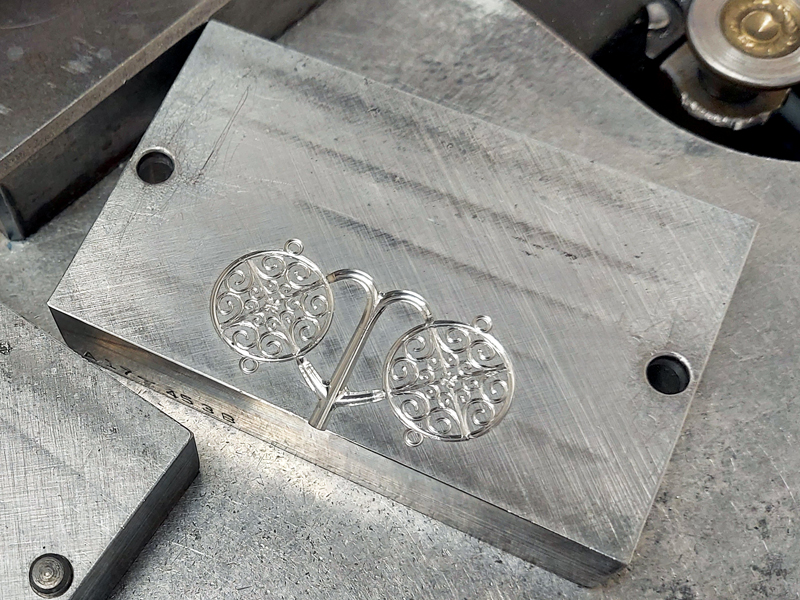
Unlike rubber molds, where the mold can expand and contract during the injection process, resulting in inconsistent models, metal molds produce consistent models every time.
Take a hinge, says Meltzer, which could require upward of seven parts for just one tiny finding. While it can be created, “the cost per part would be very high,” he says.
However, he points out that for complicated parts, while you’d be paying more on the front end to have the molds made, you’d pay less on the back end due to the repeatability and model quality metal molds can deliver.
Even if a design isn’t overly complicated, metal molds will take longer to create than a rubber mold. Whereas a skilled rubber mold maker can turn out a mold in an hour or so, a metal mold could take a day or more, depending on its complexity. This not only contributes to the higher cost, but also could present challenges for rush orders: The delay of a day could make or break an order.
Also, although metal molds are more durable than rubber, they also have multiple pieces that have to be intricately interlocked; even a small amount of wear or damage to any of those pieces can require the entire mold to have to be refurbished or replaced entirely.
Are Metal Molds Right for You?
When deciding whether or not metal molds make sense for your designs, Meltzer recommends you first solidify your design and then consult with a tool maker, as the design you’re looking to make may not physically or financially make sense. This is where “having a good working relationship with your machine shop is important,” he says.
Next, consider the volume that you’re looking to have made and if it makes financial sense to incur the higher upfront costs to have metal molds made of your designs. If you only plan to produce a few hundred models of a design, it may not make sense to spend the money on metal molds.
“You have to work out your break-even point and decide if it’s worth it for that piece,” says Meltzer. “How long are you going to carry it? Some legacy pieces are timeless parts” and it might make sense to turn to metal molds to produce them. “But I personally wouldn’t create one for a passion project.”
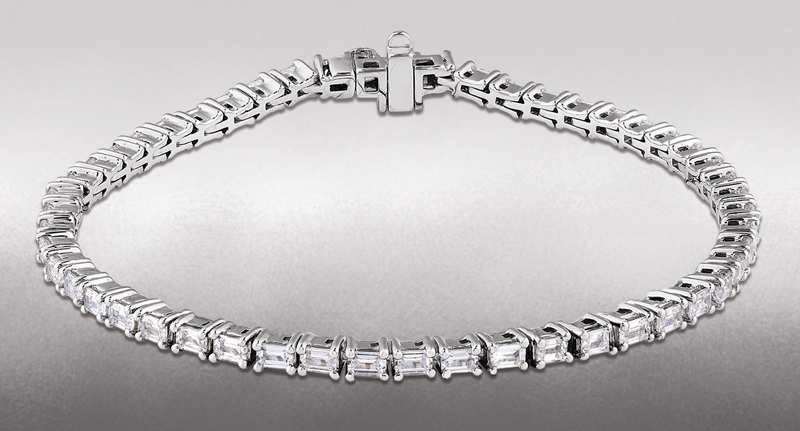
According to Vannoy, tennis bracelets are a good example of an ideal design for metal molds, as they would allow you to create a large number of perfect links in a short time frame.
The design can also help to determine that break-even point. For example, Vannoy says that unless you’re planning to make just one or two, tennis bracelets should always be created via metal mold.
“Think of a tennis bracelet with 54 links,” he says. “If you want to assemble that bracelet in any quick time frame, every link needs to be perfect. Metal molds are the only process you can count on to deliver perfect links every time.”
Another thing to be aware of is that many companies making metal molds are typically working with large accounts. “For a jeweler making just a few hundred models, it might be hard to slip into [the mold manufacturer’s] production schedule,” says Meltzer.
Vannoy admits that though the quality of metal mold models can’t be beat, they don’t always make sense for your business. But, he adds, if you’re going to be making large numbers of a design, metal molds can be worth the money. For example, Stuller sells well over 250,000 of a specific finding every year. “Could you imagine doing that with a rubber mold or growing models?” he asks. “Metal molds are expensive, but if the volume is there, it’s the right choice.”